One photo. One command. The same real product.
Type /xray on a product photo and you see through it. /blueprint and it is drafted. /season on a listing and the house is standing in golden hour. Nothing is generated from scratch — your actual product, pose and framing survive, and every result is scored to prove it did.
The shortcut was never the trick. Knowing which one to fire is.
Everyone is selling folders of two hundred prompts. A folder does not know that your buyer's real objection is price, or size, or "does it actually come with everything". This does. Describe the problem in plain English and the router returns the command that answers it, with the reasoning it scored on. It runs live, right here.
Fired on real client photographs
Not demo stock. These are live catalogue photos from a Rooster client's parts store and a real estate listing we run, with the score each output earned. Two of them did not clear the bar — they are here anyway, because a gate that never fails anything is decoration.
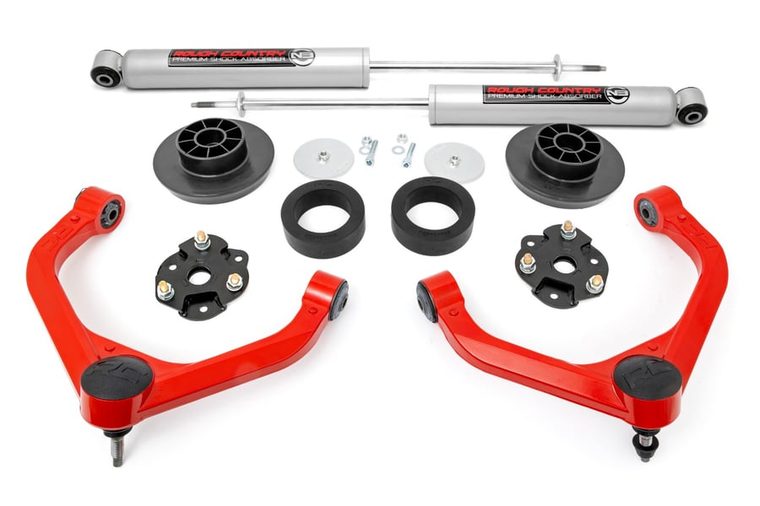 before
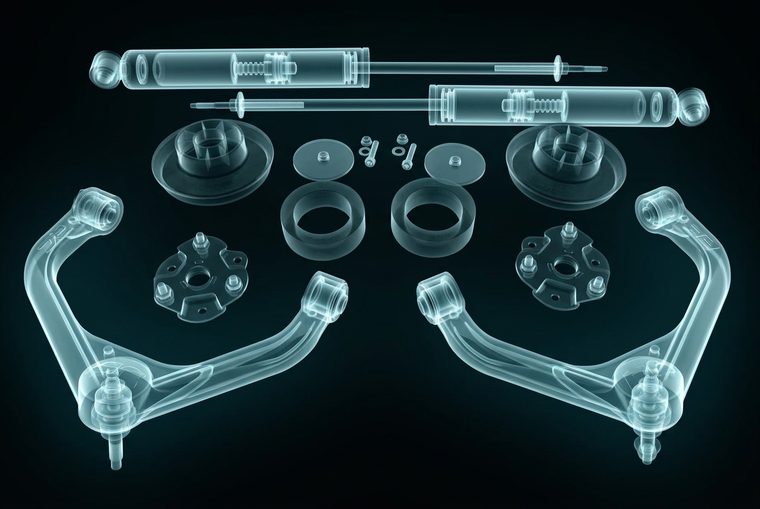 /xraybefore
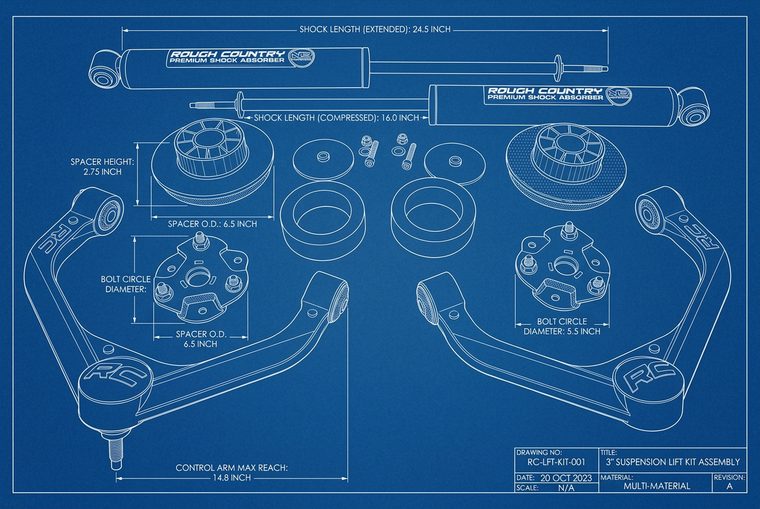 /blueprintbefore
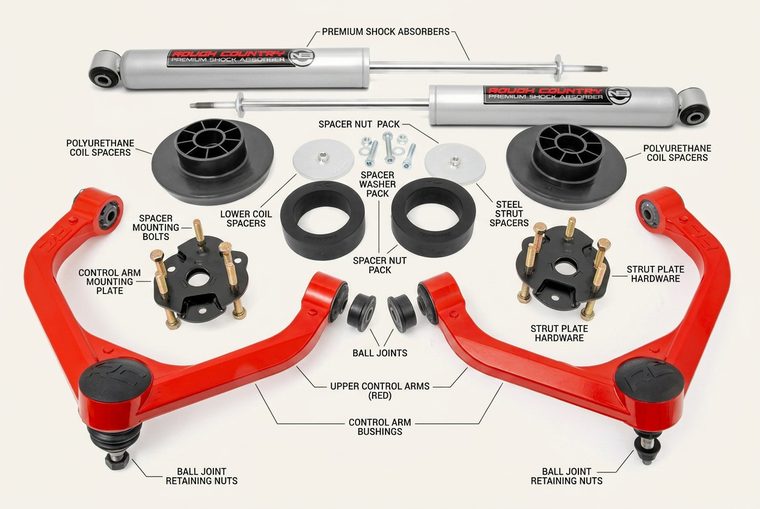 /explodedview
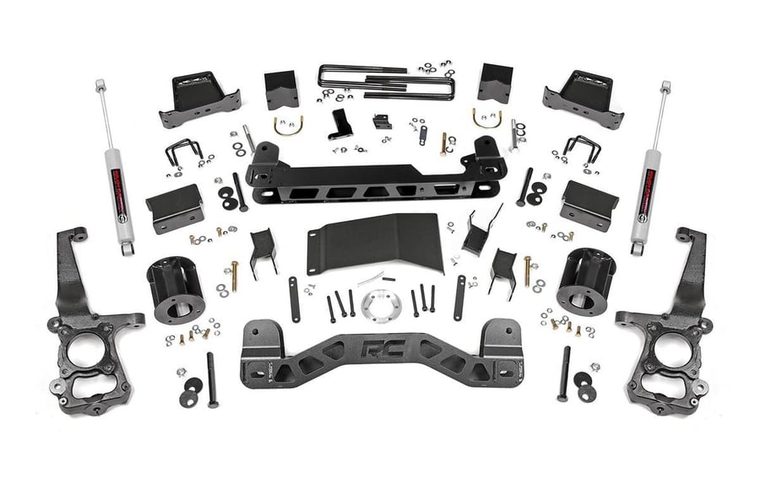 before
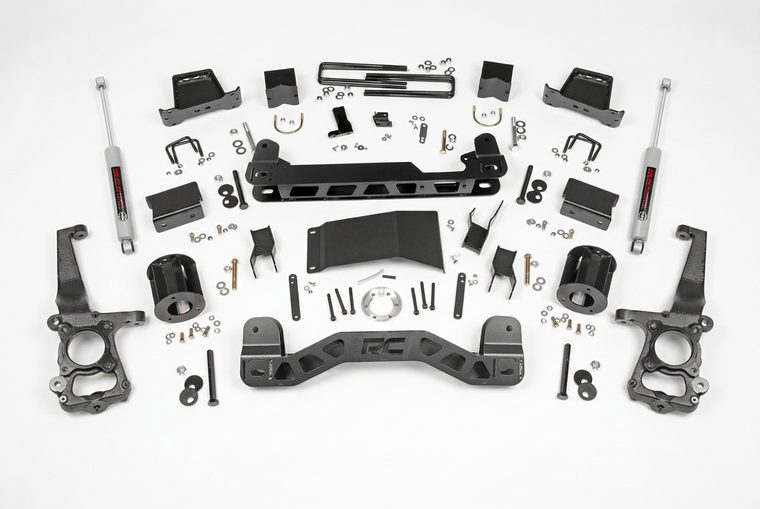 /studiobefore
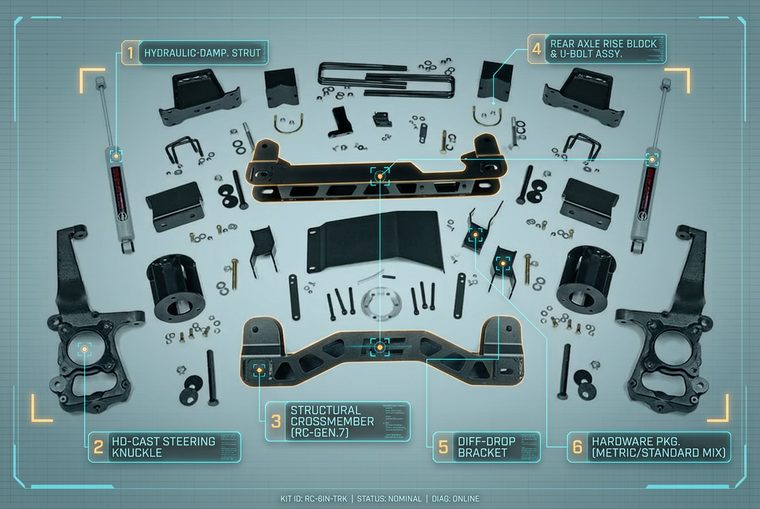 /schematic
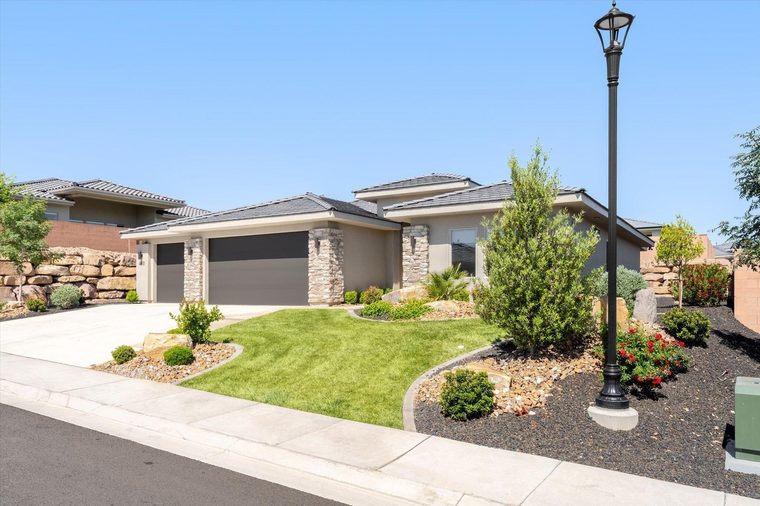 before
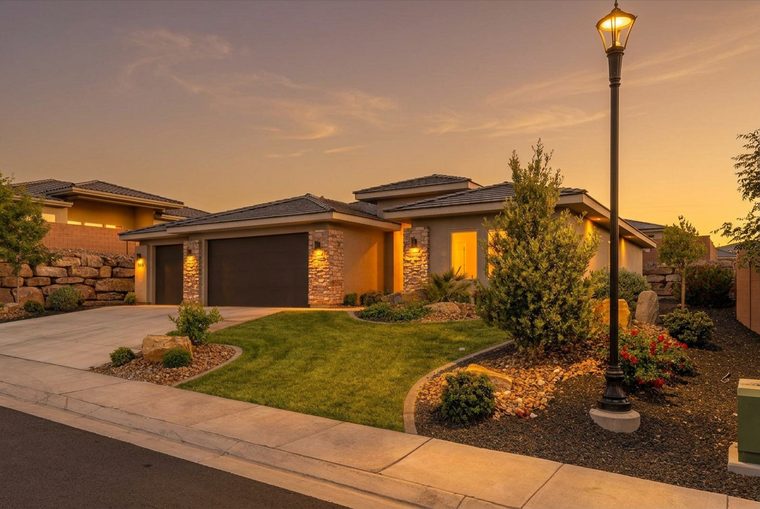 /seasonbefore
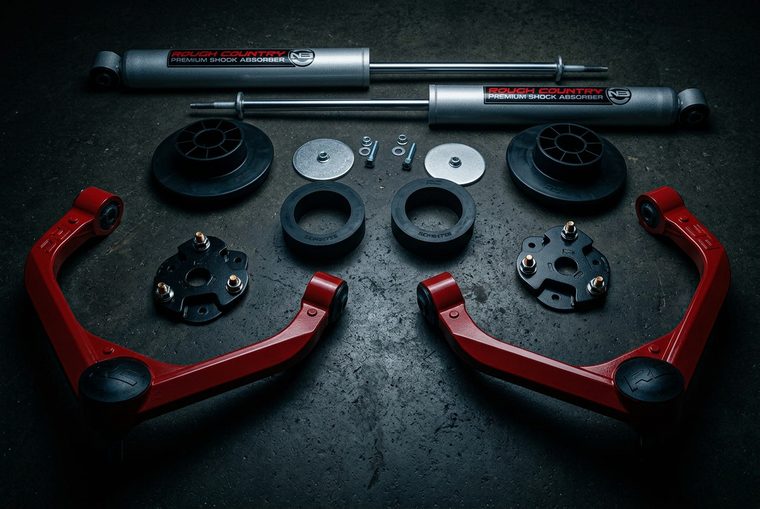 /hero
/heroThe part nobody else ships: the gate
Ask any image model to transform a photo and it will happily hand you back a different product with the same vibe. That is the whole risk of using AI on a real catalogue. So every output is measured twice — a structural pass that compares the two frames on four geometric measurements, and a vision pass that adjudicates object, pose, framing, parts and branding. Ninety-plus ships. Sixty-five to eighty-four goes to a human. Under sixty-five is re-run.
Structure
Local patch cross-correlation, line-orientation agreement across a 16×16 grid, gradient-mass distribution and subject box — plus an exact crop check, because the classic silent failure is a 3:2 photo quietly re-composed to a square.
Vision
The pair is judged side by side on whether it is the same object, the same pose, the same framing, the same inventory of parts, and whether the branding survived. Geometry can look perfect while the logo turns to mush — that is the most common real failure, and it gets caught.
Two modes
A studio re-light must preserve the photograph. A blueprint cannot — it is line art by definition. One standard for both would fail every blueprint for being a blueprint, so each command declares which test it answers to.
| Measured pair | OFS | Verdict | |
|---|---|---|---|
| /season on a live listing photo | 96.3 | LOCKED | same property, dusk |
| /xray on a client product photo | 92.2 | LOCKED | same kit, seen through |
| /blueprint on the same product | 91.5 | LOCKED | same kit, drafted |
| /hero on the same product | 68.5 | DRIFT | branding garbled by the re-light |
| the same command with the crop left to the model | 67.8 | DRIFT | 3:2 silently became 1:1 |
| two different products from the same brand | 34.3 | BROKEN | control |
| two different photos of the same house | 32.5 | BROKEN | control |
| two entirely unrelated photos | 30.8 | BROKEN | control |
Measured 2026-08-24 on real client assets. Control pairs are deliberately mismatched images — the score has to collapse on those or it means nothing.
Drop in any original and any transformation of it — from this deck or from whatever tool you already use — and your device runs the same four measurements, with the same weights. Nothing is uploaded, nothing leaves your machine.
Original photo
Transformed result
The full deck
Fourteen commands, five categories. Each one is a job a business actually needs done, not a style filter.
| reveal | ||
|---|---|---|
| /xray | See through the subject to its internal skeleton/structure. | Proves the thing you sell is engineered, not assembled. |
| /crosssection | Slice the subject in half and show the working mechanism inside. | The price objection dies when they can see the mechanism. |
| /ghost | Outer shell goes translucent so internals sit under the real skin. | Hero shot and technical proof in one frame. |
| technical | ||
| /explodedview | Every part floats apart in assembly order, each one labelled. | Turns one product into a visual list of everything they're paying for. |
| /blueprint | Photo becomes a drafted technical blueprint with dimension lines. | Says 'this was designed' in a single frame. |
| /schematic | Keeps the real photo, overlays an HUD-style annotated tech layer. | Feature callouts that look like an interface, not a PowerPoint. |
| /topdown | Subject and its parts laid out top-down, perfectly aligned. | The 'everything in the box' shot, without a photoshoot. |
| commerce | ||
| /studio | Ugly phone photo → clean e-commerce studio shot of the same item. | Every client has a phone photo and no photographer. This is the fix. |
| /inplace | Drops the real product into its real-world use environment. | Buyers don't buy the object, they buy the scene it lives in. |
| /scale | Shows true size against a familiar reference in the same frame. | The #1 pre-purchase question, answered in the first image. |
| environment | ||
| /beforeafter | Renders the finished-state twin of the same scene, same angle. | The highest-converting creative in every service business. |
| /season | Same location, different season, weather or hour. | A summer-only listing that also has autumn and golden-hour hero shots. |
| brand | ||
| /palette | Recolours the scene into the client's exact brand palette. | Twelve mismatched images become one campaign. |
| /hero | Turns the shot into a cinematic campaign key visual (space for copy). | A campaign key visual off a product photo, in one command. |
Questions
What is The Command Deck?
A set of visual commands that run on a photograph you already have. You point it at a real product shot, property photo or portrait, type one word — see it through, draw it as a blueprint, pull it apart, re-light it as a studio shot, move it to golden hour — and the same object comes back transformed. It is not image generation: nothing new is invented, the thing you actually sell is re-rendered.
How is this different from the prompt packs everybody is selling?
A prompt pack is a document. You still have to know which of the two hundred lines to use, paste it somewhere, and hope. Here the command is executable, and a router picks it for you: describe the objection you are trying to kill — 'they think it is overpriced', 'nobody believes the build quality' — and it returns the command that answers it, with the reason it scored. Knowing which one to fire was always the skill; that is the part we built.
How do I know the AI did not quietly invent a different product?
Because every output is measured. The Object Fidelity Score compares the result against the original on four structural measurements and then has a vision pass adjudicate the pair on object, pose, framing, parts and branding. Ninety-plus and it ships, sixty-five to eighty-four and a human looks at it, under sixty-five and it is re-run. On our own measured runs, real transformations score 92 to 96 and deliberately mismatched control pairs score 31 to 34. Most people publish the trick; nobody publishes the check.
What does it need from me?
One photograph. A phone shot of the product on a workbench is enough — the deck has commands specifically for rescuing bad photos. Higher-resolution and sharper input gives a cleaner result, but nothing needs to be re-shot.
Are the labels and dimensions real?
No, and we will never pretend otherwise. Part names, callouts and dimension lines in a blueprint or exploded view are illustrative and must be checked against your real spec sheet before they are published. The same applies to any before-and-after or seasonal render: it is a visualisation of a finished state, labelled as one, never presented as a photograph of a real result.
Can I try it on my own images right here?
Yes. The router runs live on this page, and the fidelity gate's structure pass runs in your browser on any two images you drop in — an original and a transformation from any tool you like. Nothing is uploaded; the measurement happens on your device.
Send us one photo of the thing you sell.
We will run the deck on it and send back the versions worth putting in front of a buyer — with the fidelity score on each one, so you know the product in the picture is still yours.
Text Rudy “COMMAND” →